Chemical Transfection of Mammalian Cells using RACs

Introduction
Authors: Kevin Hong, Elizabeth Gendreau, Paulina Kanigowska Ph.D.
Chemical transfection is a common laboratory technique used to introduce foreign nucleic acids into mammalian cells, via nucleic acid-encapsulating positively charged chemicals, such as lipofectamine, which facilitate fusion with a negatively charged cell membrane. The method has a wide range of applications, including protein production and precision genome editing. Fully automated chemical transfection is foundational to mammalian cell high-throughput screening, but requires special attention to accurate, precise, timely and sterile execution, to enable robust hit identification.
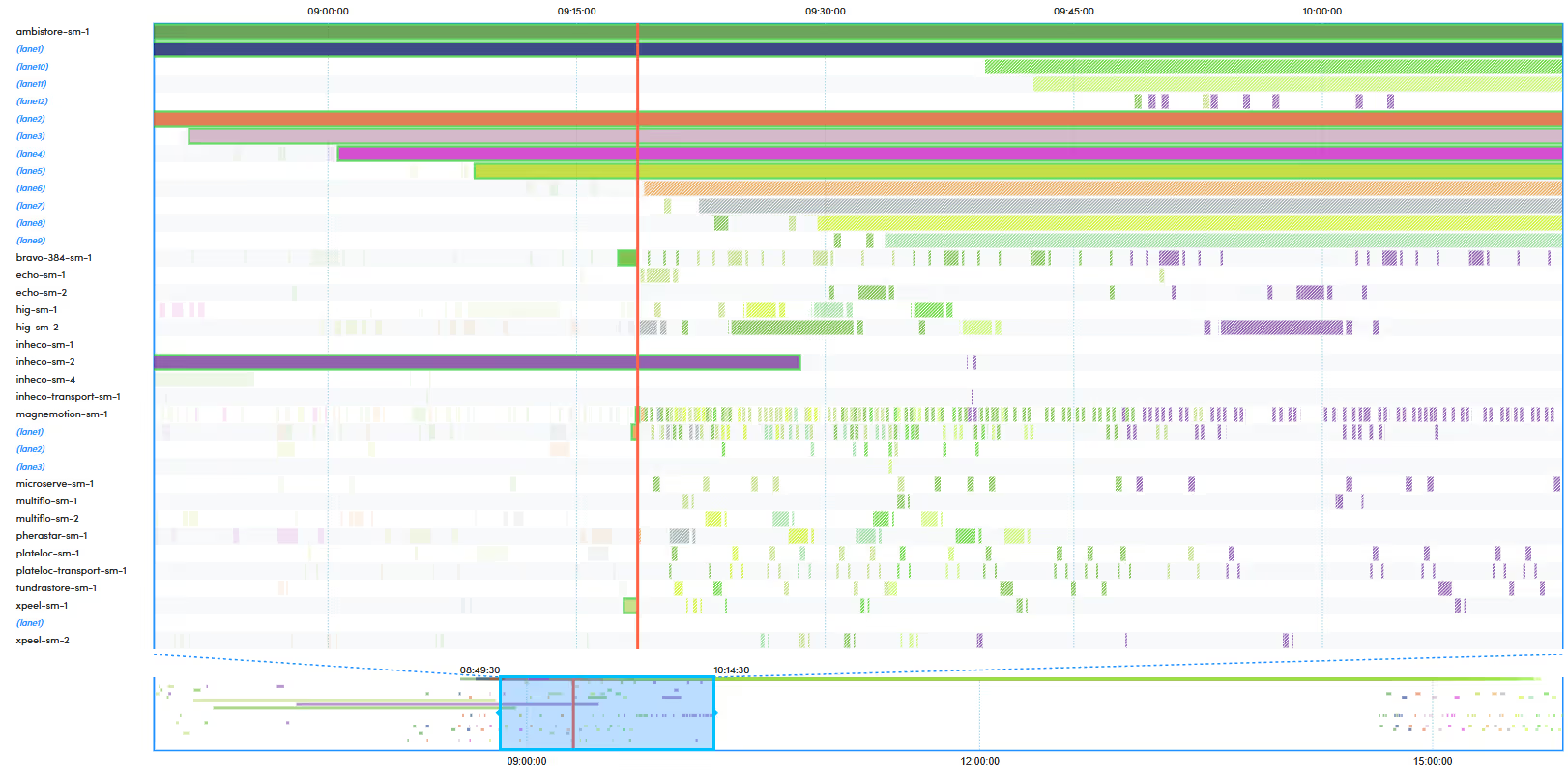
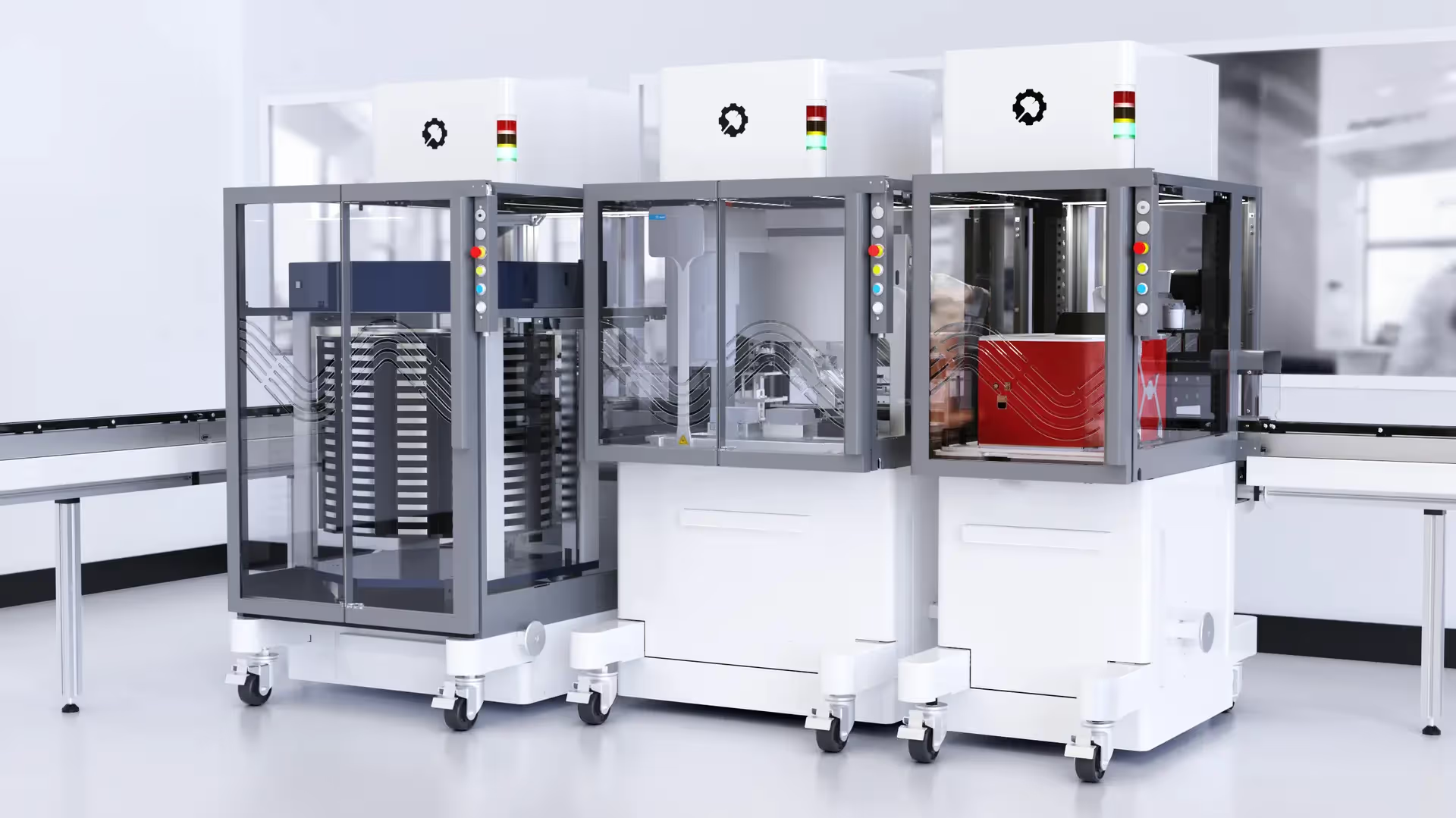
Here, we showcase a fully automated chemical transfection using Ginkgo’s Reconfigurable Automation Carts (RACs), used to transiently express green fluorescent protein (GFP) in Expi293F human cells (figure in download). The fully automated protocol unlocked a significant (80%) hands-on time reduction, while generating high-quality results, on par with the previous manual protocol. A total of 384 independent chemical transfections were executed across four 96-well plates in less than 1.5 hours, without any contamination issues observed. The mean chemical transfection efficiency was 93%, with < 2 %CV - overall demonstrating the RAC platform’s utility in demanding high-throughput mammalian biology work.
Outcomes
{{data}}
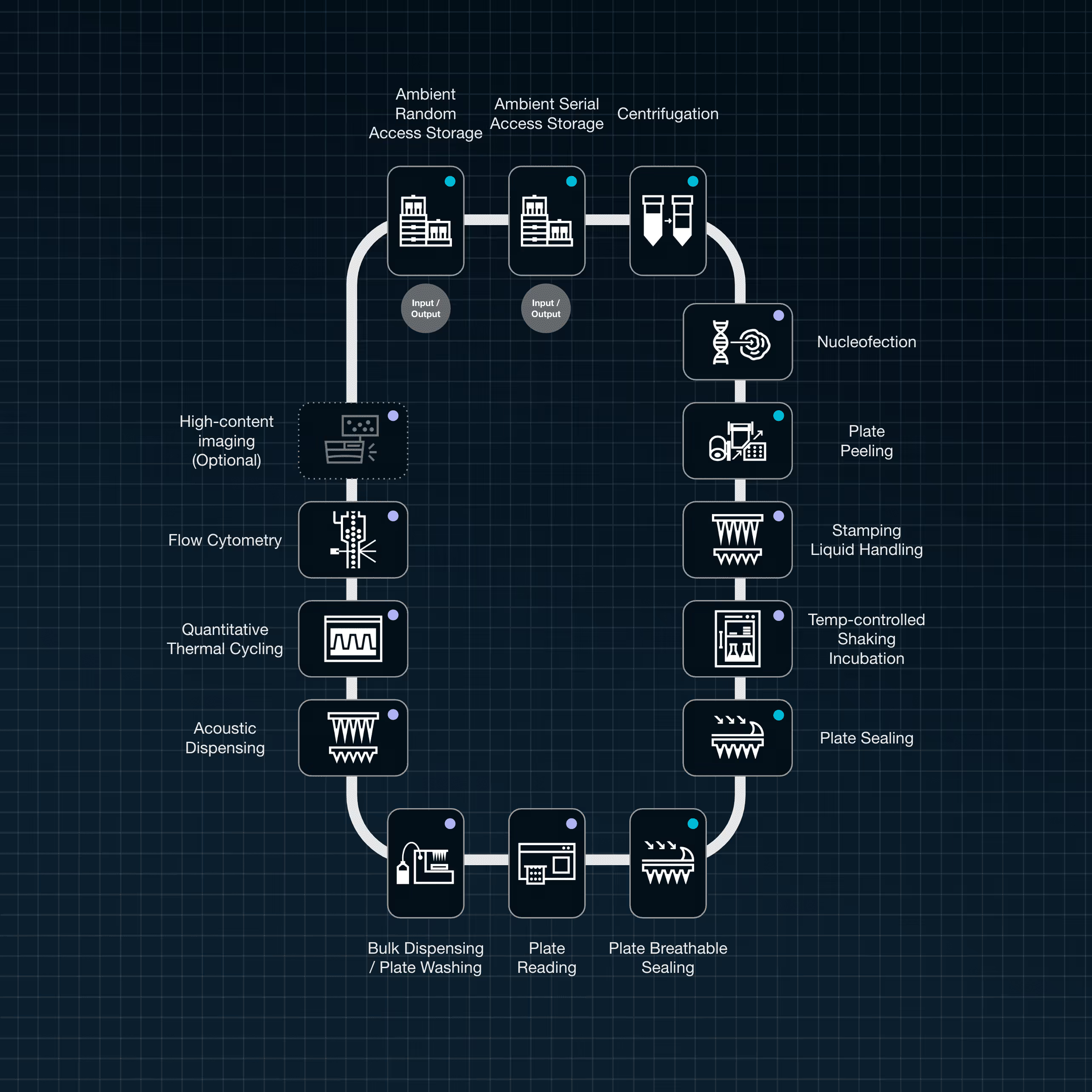
Get the Complete RAC Blueprint for This Application
Our High-Throughput Mammalian Biology RAC System blueprint provides the foundational design behind this application note. Use it as a comprehensive starting point for your automation planning.
Subscribe to receive future application notes
- 93% Mean chemical transfection efficiency
- < 2% CV in chemical transfection efficiency
- 80% Reduction in hands-on time with RACs vs. manual execution
More Application Notes